Monday, October 20, 2008

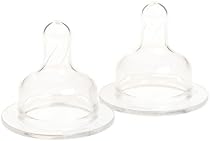
Born Free Stage 3 Nipples


Born Free Stage 3 Nipples- Twin Pack
From Born Free
Price: $6.99 & eligible for FREE Super Saver Shipping on orders over $25.
>>>Details

Availability: Usually ships in 24 hours
Ships from and sold by Amazon.com

9 new or used available from $2.03

Product Description

Twin-Pack Level 3 Fast Flow wide neck BornFree™ Nipples, recommended for babies of 6 months plus. It also operates as a Medium Flow nipple with some thicker types of formula.
>>>Details


Product Details

* Amazon Sales Rank: #96 in Baby Product
* Brand: Born Free
* Model: 20003
* Released on: 2006-11-01
* Dimensions: 1.30" h x 2.80" w x 6.60" l, .5 pounds

Features

* Contains two high grade silicone nipples per package
* Designed to simulate natural feeding
* Available in multiple flow rates to accommdate desired feeding level
>>>Details

...Read more!

Saturday, October 11, 2008

Breast Feeding In Public

Babies that are breast fed are very portable and
easy to comfort no matter where your schedule has
you going. Many women however, worry about
breast feeding in public. The worry of nursing
in a public place is normally worse than the
actual experience and often times the only people
who notice you feeding are the other mothers who
are doing the same thing.

Many women find ways to breast feed discreetly.
You can ask your partner or even a friend to
stand in front of you while you lift your shirt
from the waist. When you breast feed, the baby's
body will cover most of your upper body and you
can pull your shirt down to her face to cover
the tops of your breast. Some mothers prefer to
put a light blanket over their shoulders as a
type of cover.

When you are visiting someone else's home, you
may feel more comfortable either leaving the
room or turning away from people when you first
put the baby to your breast. If you would like
more privacy, breast feed in an empty room, car,
or public restroom.

A lot of restrooms are becoming more baby
friendly and they even have a seperate are with
a changing table and a chair. Several shopping
malls now offer special mother's rooms where
the mom can breast feed her baby in privacy,
which will help sensitive babies who are too
distracted by feeding to nurse well in public.
It won't take long at all though, before your
baby will learn to breast feed without any fuss
at all.

An alternative way is expressing or pumping
your milk at home and then offer it in a bottle
while in public. Keep in mind, offering
bottles with artificial nipples in the first
few weeks can and probably will interfere with
breast feeding.

When breast feeding in public, you should always
use what works best for you. During the first
few weeks, it will take some getting used to,
as it will be as new for you as it is for the
baby. With some time, you'll have no problems
at all.

If you don't feel comfortable breast feeding in
a certain location, then you shouldn't. You
should feel a certain level of comfort when you
feed, as the baby can tell when you aren't
comfortable doing something. If you show your
baby that you aren't nervous - you and your
baby will be just fine.

...Read more!
Tuesday, October 7, 2008

Breast Compression

The sole purpose of breast compression is to continue
the flow of milk to the baby once the baby no longer
drinks on his own. Compression will also stimulate
a let down reflex and often causes a natural let
down reflex to occur. This technique may also be
useful for the following:
1. Poor weight gain in the baby.
2. Colic in the breast fed baby.
3. Frequent feedings or long feedings.
4. Sore nipples for the mother.
5. Recurrent blocked ducts
6. Feeding the baby who falls asleep quick.

If everything is going well, breast compression may
not be necessary. When all is well, the mother should
allow the baby to finish feeding on the first side,
then if the baby wants more - offer the other side.

How to use breast compression
1. Hold the baby with one arm.
2. Hold the breast with the other arm, thumb
on one side of your breast, your finger on the other
far back from the nipple
3. Keep an eye out for the baby's drinking,
although there is no need to be obsessive about
catching every suck. The baby will get more milk when
drinking with an open pause type of suck.
4. When the baby is nibbling or no longer
drinking, compress the breast, not so hard that it
hurts though. With the breast compression, the baby
should begin drinking again.
5. Keep up the pressure until the baby no
longer drinks with the compression, then release the
pressure. If the baby doesn't stop sucking with the
release of compression, wait a bit before compressing
again.
6. The reason for releasing pressure is to
allow your hand to rest, and allow the milk to begin
flowing to the baby again. If the baby stops sucking
when you release the pressure, he'll start again
once he tastes milk.
7. When the baby starts to suck again, he
may drink. If not, simply compress again.
8. Continue feeding on the first side until
the baby no longer drinks with compression. You
should allow him time to stay on that side until he
starts drinking again, on his own.
9. If the baby is no longer drinking, allow
to come off the breast or take him off.
10. If the baby still wants more, offer the
other side and repeat the process as above.
11. Unless you have sore nipples, you may
want to switch sides like this several times.
12. Always work to improve the baby's latch.

...Read more!

Tuesday, September 30, 2008

Breast Feeding Adopted Babies

Not only is breast feeding an adopted baby easy, the chances are that you will produce a large amount of milk. It isn't complicated to do, although it is different than breast feeding a baby you have been pregnant with for 9 months.

Breast feeding and milk There are two objectives that are involved in breast feeding an adopted baby. The first is getting your baby to breast feed, and the other is producing enough breast milk.

There is more to breast feeding than just milk, which is why many mothers are happy to feed without expecting to produce milk in the way the baby needs. It's the closeness and the bond breast feeding provides that many mothers look for.

Taking the breast
Even though many feel the early introduction of bottles may interfere with breast feeding, the early introduction of artificial nipples can interfere a great deal. The sooner you can get the baby to the breast after birth, the better things will be.

Babies will however, require the flow from the breast in order to stay attached and continue to suck, especially if they are used to getting flow from a bottle or other method of feeding.

Producing breast milk
As soon as you have an adopted baby in sight, contact a lactation clinic and start getting your milk supply ready. Keep in mind, you may never produce a full milk supply for your baby, although it may happen. You should never feel discouraged by what you may be pumping before the baby, as a pump is never quite as good at extracting milk as a baby who is well latched and sucking.

...Read more!

Sunday, September 28, 2008

The First Six Weeks

Breast milk is the best food you can give to your baby. Breast milk is a complete food source, containing all the nutrients your baby need - at least 400 of them to be exact, including hormones and disease fighting compounds that aren't found in formula.

The nutritional makeup in breast milk will adjust to your baby's needs as he or she grows and develops. Aside from the brain building, infection fighting benefits of breast milk, which no formula can match, nursing will also help to build a special
bond between you and your baby. When nursing, your child thrives on the contact, cuddling, and holding - which you will as well.

Since breast feedings can take up to 40 minutes or more, you should pick a cozy spot for nursing. The atmosphere is very important, even more so in the
early days of breast feeding when you're still trying to get the hang of it. If you get easily distracted by noise, go somewhere quiet.

You should always hold your baby in a position that won't leave your arms or back sore. It works the best to support the back of your baby's head with your hand, although which position you choose depends on what's more comfortable to you.

When supporting your baby, a nursing pillow can sometimes be a big help. You should never feed until both you and your baby are comfortable. Pay attention to how your breasts feel when your baby latches on, as his mouth should cover most of the
areola below the nipple, and the nipple should be far back into your baby's mouth.

While some women adjust to breast feeding easily, other moms find it hard to learn. If you feel discouraged, always know that you aren't the only one. Everyone feels different when starting, it all depends on the mother and the situation.

Breast feeding will take practice. Therefore, you should give yourself as much time as you need to get it down to second nature. Always take it one feeding at a time. If you are having a bad day, tell yourself that it'll get better. Keep in mind
that any problems are temporary, as you'll be nursing like a pro by your six week postpartum checkup.

The first six weeks will be both an adventure and training. You can't expect to know everything when you begin, which is where training and practice will really help you excel. The more you breast feed, the more you'll learn. You'll also build a bond with your baby - which is something you'll always have for the rest of your lives.

...Read more!